One AI Receptionist for Multiple Locations and Brands

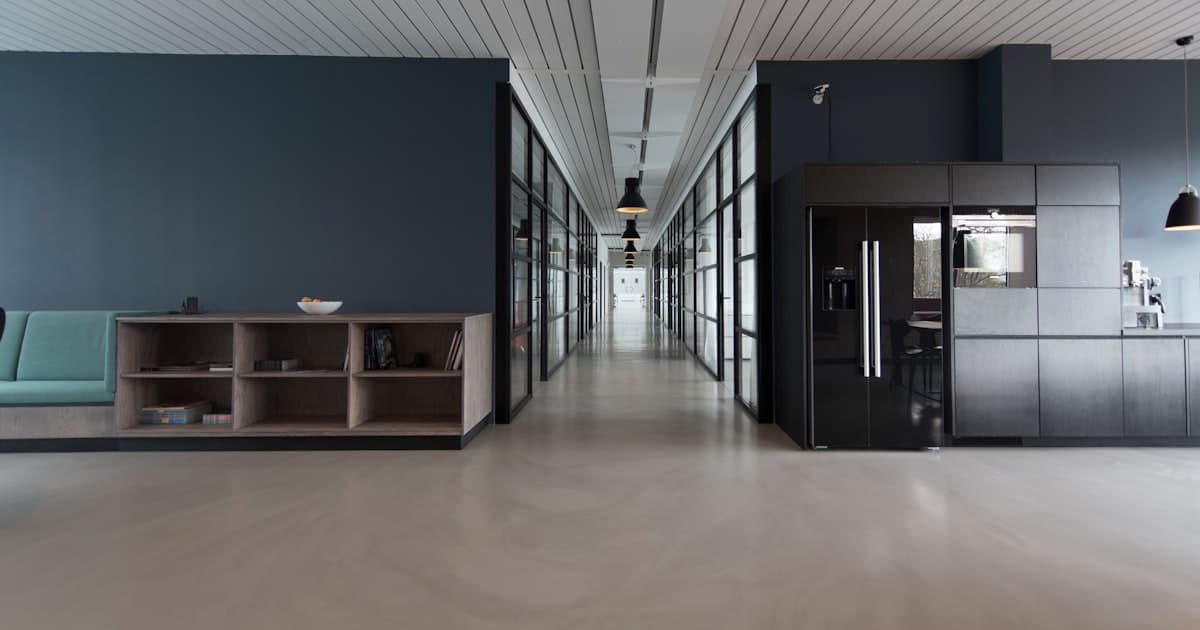
Monday, 8.05 a.m., a garage with two sites (a typical scenario). The phone rings at the main site; twenty miles away, the branch phone rings too. Reception is one person, and she is serving a customer at the counter. The first caller wants a tyre change at the branch, the second is asking about his car at the main site. Both dialled the same number, both hear the same greeting, and that evening both summaries land in the owner's inbox, to be forwarded by hand to the right workshop manager. An AI receptionist for multiple locations solves exactly this: every location, brand and department gets its own line with its own greeting and its own recipients. rednea sets those lines up for you, all in one subscription, all in one dashboard.
In short: an AI receptionist keeps multiple locations, brands or departments cleanly apart with one line per unit: a local rednea number, a greeting, a prompt, a knowledge base and summary recipients of its own. Your existing numbers stay; your phone system forwards each of them to the matching rednea number. Callers who ask for a person are transferred internally; everything else the assistant answers or captures as a callback request. All lines share one dashboard, one subscription and one pool of minutes: no per-user fee, month to month.
Why is one shared number for every location a problem?
A single number for several locations or brands works as long as a human at the other end sorts the calls. The moment nobody picks up, the most important information is missing: who did the caller want to reach? Without it, the call cannot be assigned, the summary cannot be delivered and the greeting cannot carry the right company name. This is where rednea starts: with one line per unit, the dialled number already carries that information.
A shared number creates four problems. A line per unit solves all four:
- The caller ends up in the wrong place. Someone who wants the branch reaches the main site, and the transfer costs time and a second start to the conversation. With its own line, rednea connects the caller straight to the branch's workshop manager.
- The summary lands in the wrong inbox. The garage above wants the second site's calls delivered to that site's info address, not to the owner. With recipients per line, the branch receives its calls without a detour.
- The greeting stays generic. A business with several brands wants to greet callers with the name of the company they dialled, not with "You have reached reception". Every line has its own greeting with the matching company name, and the assistant introduces itself as a digital assistant, in line with EU AI Act Article 50.
- The on-call engineer does not know which brand was called. If the brand is not in the report, the person on duty calls back under the wrong name. rednea puts the dialled line into every summary.
The topic is common. The Office for National Statistics counts local units as well as enterprises in its business statistics, because so many businesses operate more than one site. For garages, trades firms, clinics and company groups, several sites, brands or departments are the norm.
How does an AI receptionist organise multiple locations, brands and departments?
The principle is simple: one line per unit. A line is a configuration with a local rednea number, a greeting, a prompt, a knowledge base and summary recipients of its own. The assistant recognises which line was dialled and behaves accordingly. Everything else, dashboard, subscription and pool of minutes, stays shared. New to the idea? What is an AI phone assistant covers the basics; this post adds the multi-site layer.
What belongs to a line?
| Element | Per line | Shared |
|---|---|---|
| Local rednea number | Yes | |
| Greeting (company name, language, tone) | Yes | |
| Prompt (behaviour, opening hours, rules) | Yes | |
| Knowledge base (website, PDFs, price list) | Yes | |
| Summary recipients | Yes, with inheritance | Company default as fallback |
| Transfer targets (internal numbers) | Yes | |
| Dashboard, transcripts, audio | One login for all lines | |
| Subscription and pool of minutes | One subscription, one pool |
Inheritance on the recipients is the practical part. Leave the field on a line empty and the company's recipients apply. Enter a separate address for the branch and it overrides the default for that line only, so the branch receives its calls directly.
Location, brand or department: where do you draw the line?
A separate line is worth it as soon as one of three things differs: the name in the greeting, the language, or the person who calls back. Two sites of the same brand with the same workshop manager do not necessarily need two lines; two brands with separate on-call rotas always do. If a department's callers only ever ask for people, one line per company plus internal transfer is enough. If the department has its own external number, it is a candidate for a line of its own.
rednea sets up each line for you; afterwards you adjust the prompt and the knowledge base of every line yourself in the dashboard, whenever you like.
How do calls get from your phone system to the AI?
Calls arrive through call forwarding. Your existing numbers stay; customers keep dialling the familiar number of the branch or the brand, and your phone system or your telecoms provider forwards each of those numbers to its matching rednea number. Forwarding can be always on, only when busy, or only outside opening hours. The mapping is one to one: branch A forwards to line A, brand B to line B. The assistant therefore always knows which unit is meant, without the caller explaining anything or pressing a digit. What happens after the forward, from greeting to summary, is walked through in how an AI receptionist answers business calls. If you start with after-hours forwarding only, what SMBs lose on after-hours calls shows why even that step pays off quickly.
Where do summaries and transfers go?
Every line has its own summary recipients and its own transfer targets. After every conversation an email goes out with the request, the caller's name, the callback number and the line that was dialled. Anyone who asks for a person or a department during the call is transferred to the internal number. Outside opening hours the assistant takes the request and secures the callback.
Central inbox or departmental inbox?
This question comes up with almost every company group. For a group with two companies and several internal departments (a typical scenario), there are two options, both built on the recipients per line:
- Central inbox with a tag in the subject line. Every summary goes to one shared address, and the subject reads "Missed call: Accounts" or "Missed call: Production". Rules in your mail client sort the messages into folders or forward them to the department. Advantage: one person keeps the overview and nothing slips through.
- Straight into the departmental inbox. The summary goes to Accounts without a detour. Advantage: the shortest path. Risk: if the responsible person is on holiday for two weeks and nobody checks their inbox, the callback request waits.
The central option is the safer start. It switches to direct delivery at any time, once it is clear which departments manage their inbox reliably. Summaries contain callers' names and numbers, personal data under UK and EU GDPR, so deliver them only to inboxes that are actually read.
Transfers to people and departments
In the same group, the receptionist spent more than half of her phone time on "Can I speak to X?" and putting the call through. The design instead: one local rednea number per company; two greetings, one in English and one in French because the second company serves French-speaking clients; anyone who asks for a person or a department is transferred to the internal number; everything else the assistant answers from the website content in both languages; after every conversation, a summary. If a caller switches language mid-call, the assistant switches with them.
Capture and call back, add calendar booking later
rednea adds appointment booking to any line at any time. A medical centre with several visiting consultants who allocate appointments of different lengths (a typical scenario) often starts with the simplest step: the assistant takes the request, name and callback number per department, and the secretariat calls back with the diary open. Once the booking rules per consultant are in the prompt, rednea books directly into Google, Microsoft 365 or Cal.com.
Put it to the test
Whether you run two sites, three brands or five departments, we will show you what your lines, greetings and recipients would look like.
Three example setups
Three setups cover most requests from small and medium-sized businesses: the garage with two sites, the company group with departments, and the out-of-hours on-call line with several brands. The requirements differ; the solution stays the same: one line per unit with its own greeting, transfer and recipients. The setups below are illustrative examples.
| Setup | Lines | Greeting | Transfer | Recipients |
|---|---|---|---|---|
| Garage with two sites | 2 (main site, branch) | Same brand, site name in the greeting | Workshop manager of that site | Main site: company default; branch: own info address |
| Two-company group with departments | 2 (one per company) | Company name, English or French | By person or department to the internal number | Central inbox, department in the subject, sorted by mail rule |
| Out-of-hours on-call line with three brands | 3 (one per brand) | "Good evening, Brand X, out-of-hours line" | Emergencies to the person on duty | On-call rota; report names the brand that was called |
The garage setup is the simplest: same knowledge base, same rules, two numbers, two recipient lists.
The on-call setup shows what separating by brand is for. A service company with three brands under one roof (a typical scenario) wanted every greeting to name the brand and add "out-of-hours line", and every report to state which brand had been called, so the person on duty calls back under the right name. The emergency conversation itself is handled by a person. rednea makes sure the call reaches that person immediately: the assistant recognises the issue and transfers the caller straight to whoever is on duty. Which conversations to hand over as a rule is covered in sensitive calls: where a human takes over.
What does a multi-line setup cost?
A setup with several lines does not cost a second subscription. All lines share one subscription and one pool of minutes; the plan follows the combined call volume of all locations. Most multi-site setups sit in Professional at £/€290 per month (10 to 50 calls a day), busier groups in Scale from £/€590 per month (50+ calls a day). No setup fee, no per-user fee, no minimum term.
The shared pool of minutes has a pleasant side effect: a quiet site subsidises a busy one. The two-company group above needs one plan that covers the sum of both companies, not two contracts. If the allowance runs out, extra minutes can be added at the same per-minute price as your plan.
What a plan costs compared with an answering service or an extra member of staff is worked through in how much does an AI receptionist cost. How to estimate the volume of all your sites up front: how many AI minutes does my business need.
All prices exclude VAT, are billed month to month, and come with 10% off on annual billing.
Key Takeaways
- One line per location, brand or department is the principle when an AI receptionist serves multiple locations: its own number, greeting, prompt, knowledge base and recipients.
- Your existing numbers stay. Your phone system forwards each number to its matching rednea number: always, when busy, or outside opening hours.
- Recipients per line, with inheritance. Empty means company default; an entry overrides it for that line only.
- A central inbox with a tag in the subject line is the safer start; direct delivery to departments follows once those inboxes are read reliably.
- People and departments are transferred internally; everything else the assistant answers or captures as a callback request.
- One subscription, one dashboard, one pool of minutes. Several lines need no second subscription at rednea, no per-user fee and no setup fee. Month to month.
Frequently Asked Questions
Can several calls come in at the same time?
Yes. The assistant takes several calls in parallel, across different lines too. When the branch and the main site ring at once, nobody hears an engaged tone or waits in a queue. Every call is answered on its own line with the matching greeting and summarised individually; see how many calls can an AI receptionist handle.
Does every dashboard login cost extra?
No. There is no per-user fee. Workshop managers, the secretariat, the on-call team and the directors can all use the dashboard, read transcripts, listen to audio and adjust the prompt or the knowledge base. The subscription follows the call volume, not the number of people reading along.
Does every location need its own subscription?
No. All lines run in one subscription with one shared pool of minutes. You choose the plan by the total call volume of all locations or brands. If the allowance is not enough, you add minutes at the same per-minute price as your plan. There is no setup fee.
Will callers see a new number?
No. Your customers keep dialling the familiar number of the branch or the brand. The forwarding to the rednea number happens in the background, in your phone system or with your provider. You decide per number whether calls are forwarded always, only when busy or only outside opening hours.
How does the assistant know which brand was called?
Every brand has its own rednea number, and only that brand's number is forwarded to it. The assistant recognises the dialled line and greets with the stored company name, for example "Good evening, Brand X, out-of-hours line". The line's name also appears in every summary, so the callback is made under the right name.
Sources
- Office for National Statistics (ONS), UK business: activity, size and location, counts of enterprises and local units: ons.gov.uk
- Information Commissioner's Office (ICO), guidance on personal data under the UK GDPR, the basis for handling caller names, numbers and call records: ico.org.uk
- EU Artificial Intelligence Act (Regulation (EU) 2024/1689), Article 50, transparency obligations for AI systems that interact with people: eur-lex.europa.eu
Try rednea, no strings attached
AI phone assistant for business. Hear a live demo in your browser, book a call with our team, or get started — from £90/month, cancel monthly, no minimum term.
GDPR-compliant · EU & UK GDPR · Multilingual